

Information
- Award number: CNS-2442625
- Project period: 8/1/2025 – 7/31/2030
- Principal investigator: Prof. Maria Apostolaki
- Graduate students: Minhao Jin, Hongyu Hè
Overview
This project focuses on making Machine Learning (ML) more reliable for important communication networking functions, such as managing the resources of a computer network or fixing network problems. While ML can be powerful, it sometimes fails in unexpected ways and does not provide any guarantees, making it risky for critical network operations, especially due to temporal (time-sensitive) contexts. This project will investigate ML-based approaches to networking functions, identify realistic failure cases, and develop methods to make ML systems more dependable for networking. The goal is to develop NETFORTIFY, an open-source framework that helps researchers and engineers test and improve ML-powered approaches to ensure they work well in real-world conditions.
The proposed research advances ML-based networking through three key thrusts: (1) Contextual Robustness Definition: this includes formal semantics to define robustness in ML-powered approaches to certain networking functions, ensuring they meet required properties under operational constraints, alongside a catalog of transformations for specifying realistic conditions; (2) Robustness Assessment: this task integrates formal methods with adversarial ML to generate failure-directed and realistic scenarios for diverse implementations; and (3) Robustness Enhancement: Leveraging failure-directed scenarios and domain knowledge, this thrust enables logic and adversarial retraining, and robustness certification.
This project will enhance the reliability of ML-powered networking allowing for further automation. By developing NETFORTIFY, an open-source framework for testing and strengthening ML-powered networking, it will set new testing standards for robustness, benefiting researchers, industry, and network operators. Additionally, the project integrates research with education by introducing hands-on learning experiences, such as an interactive NETFORTIFY game, to teach students about ML in networking, and seminars for high school teachers on how to integrate networking technology and ML into STEM education.
Publications
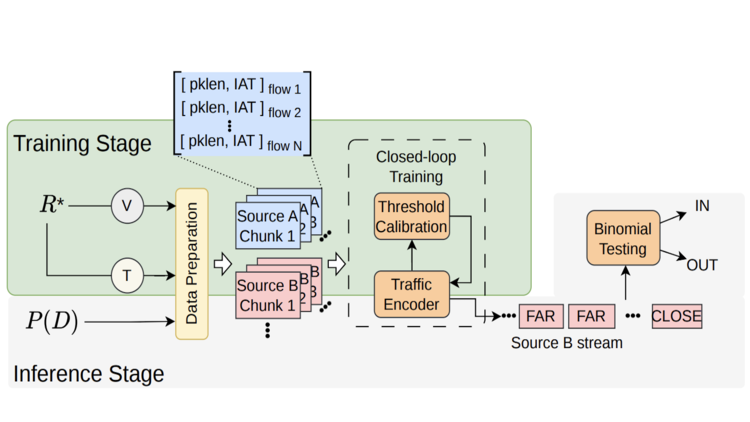
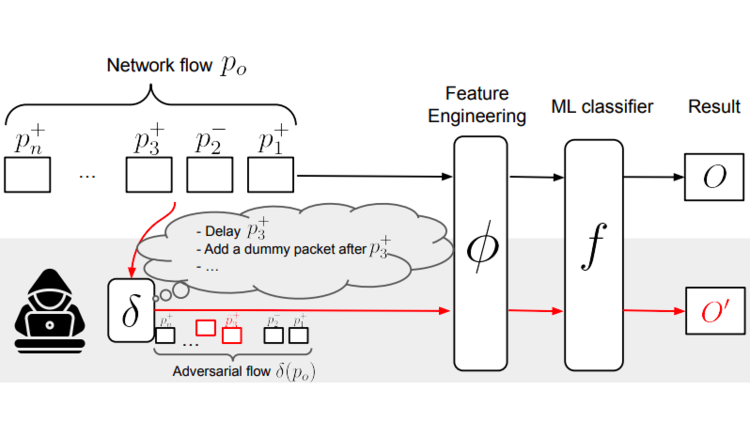
Minhao Jin, Hongyu Hè, Maria Apostolaki
NDSS Symposium 2027
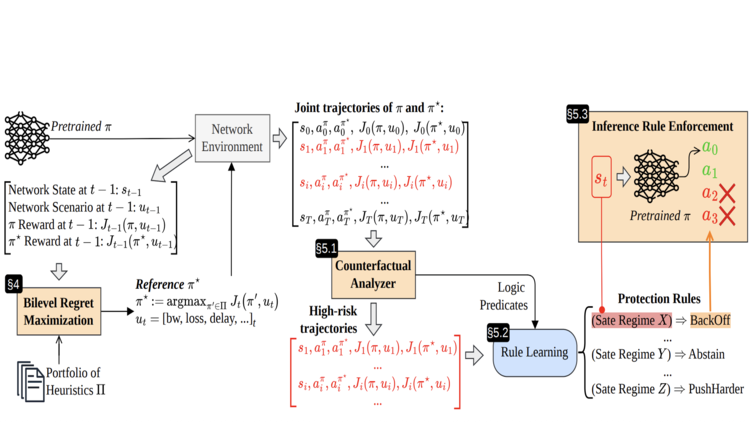
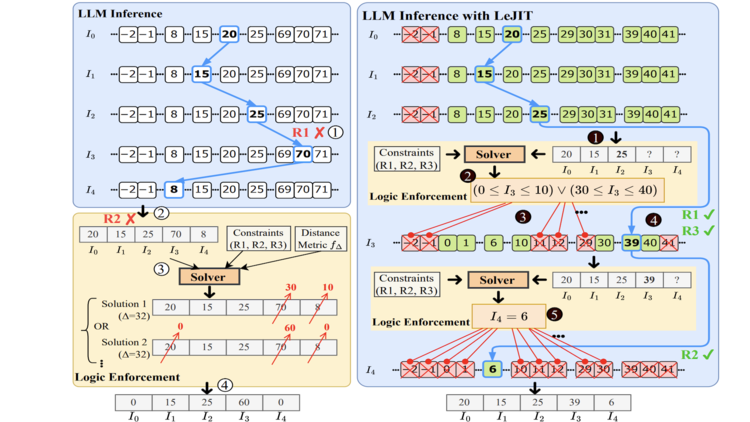
Hongyu Hè, Minhao Jin, Maria Apostolaki
USENIX NSDI 2027
Paper
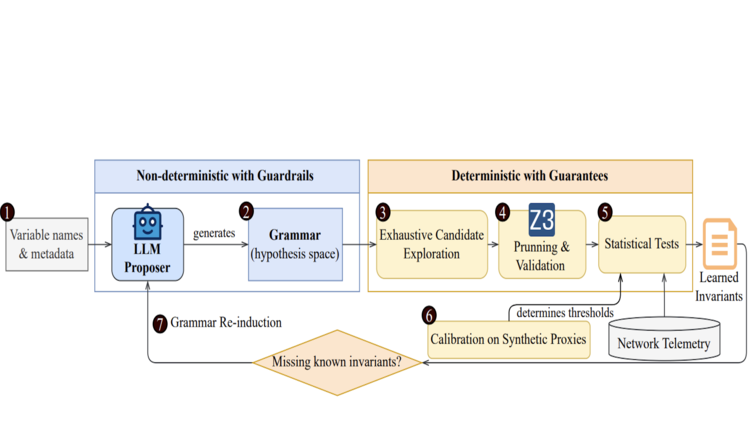
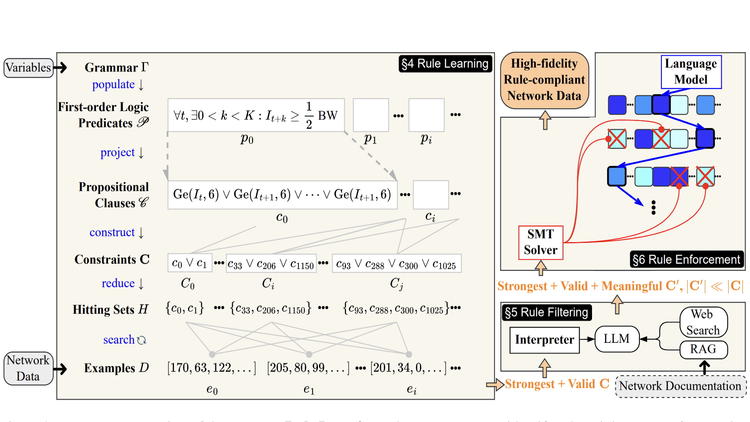
Hongyu Hè, Alexander Krentsel, Sylvia Ratnasamy, Maria Apostolaki
ACM HotNets 2026
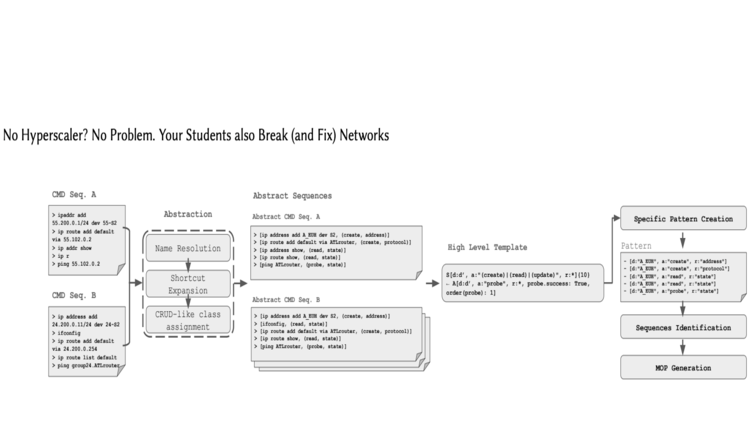
Constantine Doumanidis, Hongyu Hè, Maria Apostolaki
ACM HotNets 2026
Open-source Software
- NSDI '26 NetNomos: https://github.com/HongyuHe/NetNomos
- USENIX Security '25 PANTS: https://github.com/jinminhao/PANTS
Broader Impacts
- K-12 and Outreach: PI Apostolaki delivered a seminar for high school teachers through TeacherPrep's Teachers as Scholars (TAS) program on how to integrate networking technology and machine learning into STEM education, one of the education activities described in the project proposal, aimed at bringing the material into secondary-school classrooms. TAS is a partnership between Princeton University and several school districts in central New Jersey. Additionally, PI Apostolaki participates each summer as a faculty guest speaker in the AI4ALL program at Princeton that provides accessible AI education for high-school students. Her talks introduce networking concepts and demonstrate how AI can be applied in applications we use every day, such as video streaming.
- Undergraduate Research and Advising: PI Apostolaki participated each summer in the Intel-Princeton Summer REU Program, which is designed to give rising juniors their first experience in research over an 8-week period during the summer at Princeton. Students have a Princeton faculty mentor, an Intel industrial mentor, and a graduate student mentor. PI Apostolaki has also advised several Princeton undergraduate students on topics related to networking, formal methods, and machine learning, including Joshua Lau, Anna Eaton, Aidan Walsh, and Anya Kalogerakos. Further, PI Apostolaki participates in the B.S.E. first-year advising program organized by the Undergraduate Affairs Office of SEAS at Princeton. PI Apostolaki advises each year 12-15 first-year undergraduate students to provide support on their curriculum and academics and to foster their professional development in engineering.
- Educational Impact: PI Apostolaki developed a new undergraduate course for Fall 2025 on computer networks, that includes modules on the intersection of networks with formal methods and machine learning.